
PAPI Lights

ATG Airports supplies reliable PAPI lights and complete PAPI lights systems for airports and airfields worldwide. Also known as precision approach path indicator lights, PAPI systems provide pilots with clear visual guidance during approach, helping them maintain the correct glide path for a safe and controlled landing.

Our airfield PAPI lights is suitable for airports and airfields of different sizes and operational requirements. With decades of experience in the airport lighting industry, our team can help you with your PAPI solution for your runway and provide support throughout the project. Our aftercare service also gives you continued support once installation is complete.

If you require PAPI lights for your airport, explore our product range below or speak to our team about your requirements.

LED_PAPI_Lighting

LED PAPI lighting range

IR880L

LED Precision Approach Path Indicator – PAPI

RE880L

RE880 LED modular PAPI system

Tungsten halogen PAPI lighting range

ZA737/757 (Tungsten)

Precision Approach Path Indicator – PAPI

How PAPI Lights Guide Aircraft During Approach

The L-880 LED precision approach path indicator system typically consists of four light units positioned alongside the runway, close to the origin of the glide path. Each unit produces a colour coded light output that provides pilots with a visual indication of their aircraft’s position relative to the designated glide slope.

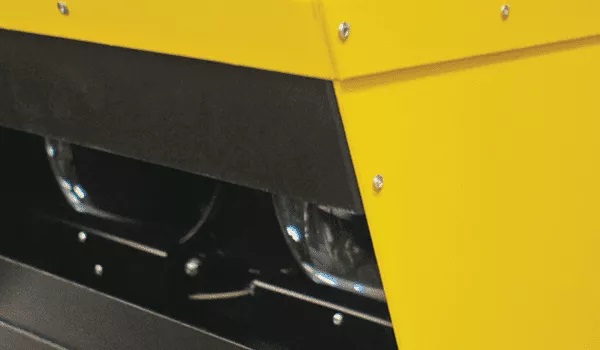
Each PAPI light contains a light source either LED or Tungsten Halogen, red filter if necessary and lenses. The high intensity beam produces two distinct colours, with red visible below the transition boundary and white above it. The four units are set at different angles to create the guidance beams used by pilots during approach.

The aircraft’s position relative to the glide path determines the combination of red and white lights visible to the pilot. When the aircraft is following the correct approach path, the runway PAPI lights display two red and two white lights. A steeper approach results in more white lights, while a shallower approach produces more red lights.

This simple visual system allows pilots to make precise adjustments to their approach and maintain the appropriate glide path towards the runway.

For airfields where a two light configuration is more suitable, ATG Airports also offers the L-881 type PAPI light. This PAPI lights system operates using the same basic principle as the four light configuration, while providing a less detailed indication of the aircraft’s position relative to the approach path.

Why Choose ATG Airports for PAPI Lighting?

With decades of experience delivering PAPI lights and wider airfield lighting solutions, ATG Airports supports airports, airfields and aviation operators with dependable lighting systems designed around their operational requirements. Our team can advise on the most suitable PAPI lights for aviation, from individual runway installations to complete approach lighting requirements, helping you select a solution that meets the needs of your airfield. From initial specification through to installation and ongoing aftercare, we provide the technical expertise and support needed to keep your PAPI lighting performing reliably.

Frequently Asked Questions

What is a PAPI light?

PAPI (precision approach path indicator) lights are a set of lights positioned beside the runway which provide pilots with a visual indicator of their aircraft’s position relative to the correct glidepath for the runway. It is typically located on the left-hand side of the runway, approximately 300 metres beyond the landing threshold.

Since their 1974 invention, PAPI lights have played a vital role in aviation safety, from being used by NASA’s Space Shuttle to ensure a safe landing to airports around the world today.

How do PAPI lights work?

The typical PAPI light system consists of four lights. Within this system, each light consists of a red filter and two lenses. They’re then calibrated to a specific angle, meaning pilots will see a different colour depending on the angle of their approach.

This is simple technological approach which results in very few failure risks in comparison with other approaches: the lights simply need to be on and calibrated for the correct angle.

As well as being simple to maintain, the independent, passive nature of the system means it works perfectly for all aircraft approaching a runway. Meaning if several aircraft are approaching a runway, they can all make adjustments in good time and ensure a smooth landing every time, with no last-minute adjustments to the glidepath.

How to read PAPI lights?

A PAPI light system will consist of either two or four lights, which will either be red or white depending on the angle of the plane’s approach. This is how to read a four-light PAPI system:

  • Four white lights: the plane is much too high
  • Three white lights and one red light: the plane is slightly too high
  • Two white lights and two red lights: the plane is on the correct glideslope
  • Three red lights and one white light: the plane is slightly too low
  • Four red lights: the plane is much too low

A two-light PAPI system simplifies this:

  • Two white lights: the plane is too high
  • One white light and one red light: the plane is on the correct glideslope
  • Two red lights: the plane is too low

Although a system with four lights provides a pilot with a more granular insight into how much they need to adjust, both types will ultimately help ensure the pilot’s angle of approach is correct.

What is the difference between PAPI and VASI lights?

On the surface, both PAPI lights and VASI lights provide the same information: telling pilot whether they’re on or off the glideslope.

VASI lights differ from PAPI lights in that they have the red over the white, rather than the colours being in the same row. Although VASI lights used to be the most common type of approach lighting system, PAPI lights provide more granular information to pilots alongside being much simpler to sight and maintain. This means that VASI lights are now being phased out and replaced with precision approach path indicators across the aviation sector.

Where are PAPI lights located?

PAPI lights are usually located on the left-hand side of the runway, 300 metres beyond the landing threshold. However, they can be situated on the right of the runway if required.

PAPI lighting enquiry

Fill out the form below and a member of the atg team will respond within 48 hours.

"*" indicates required fields

*
This field is for validation purposes and should be left unchanged.